Britain's Licensed Mobile Platforms Rely on Secure Payment Channels for Table Games, Jackpot Growth and Loyalty Tiers
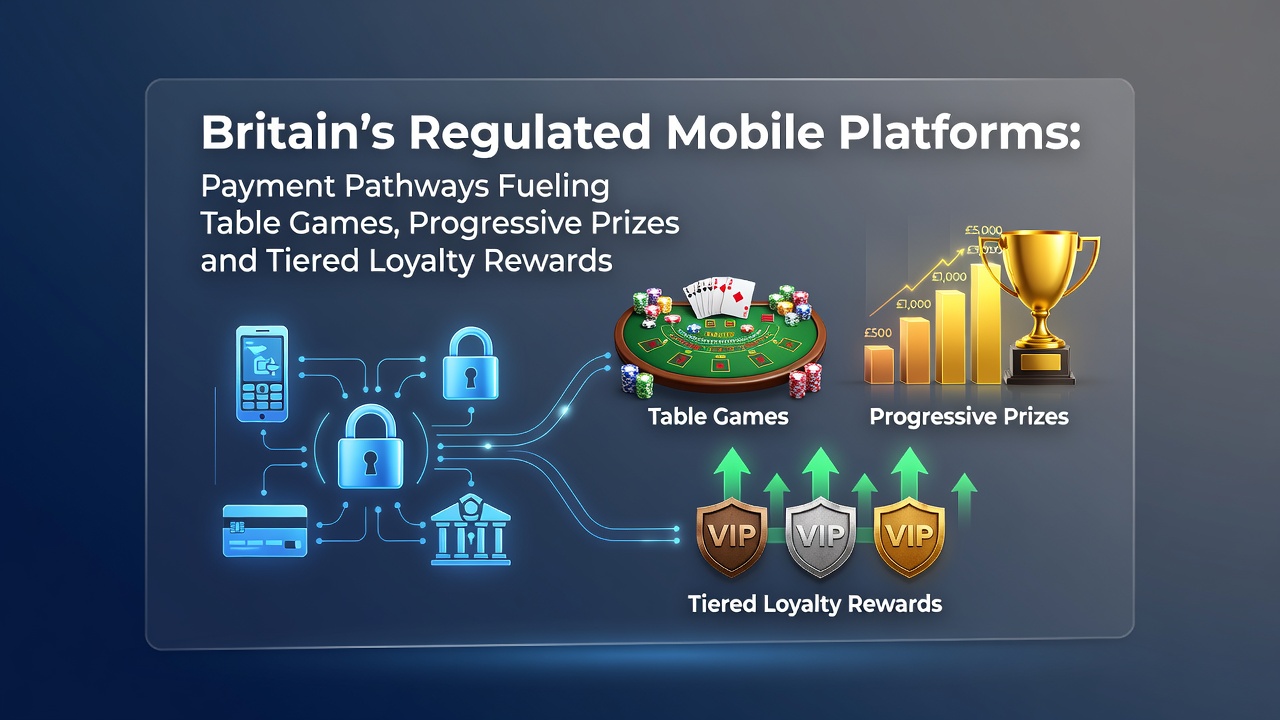 Payment systems form the backbone of Britain's regulated mobile gaming sector, where instant transfers support table game access, progressive prize pools and structured loyalty schemes. Licensed operators integrate banking rails such as Faster Payments Service alongside digital wallets to process deposits that fund roulette, blackjack and poker tables while accumulating contributions toward shared jackpots. These pathways also track player activity to unlock tiered rewards that range from cashback percentages to exclusive event invitations. Data from industry monitoring bodies reveals that deposit volumes via mobile-optimised methods have risen steadily through 2025 into 2026, driven by compatibility with contactless bank apps and prepaid cards. June 2026 saw several platforms introduce instant verification layers that reduced average deposit times below thirty seconds, allowing seamless entry into live dealer environments without interrupting game flow.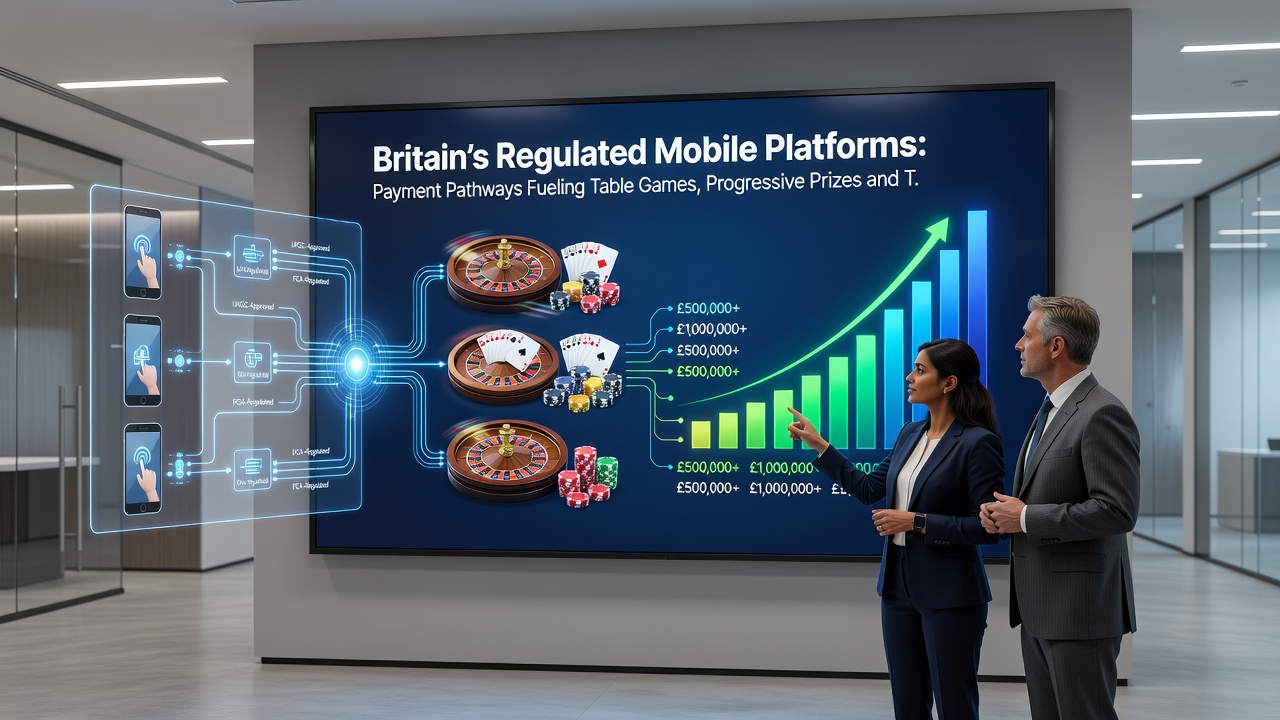
Payment systems form the backbone of Britain's regulated mobile gaming sector, where instant transfers support table game access, progressive prize pools and structured loyalty schemes. Licensed operators integrate banking rails such as Faster Payments Service alongside digital wallets to process deposits that fund roulette, blackjack and poker tables while accumulating contributions toward shared jackpots. These pathways also track player activity to unlock tiered rewards that range from cashback percentages to exclusive event invitations. Data from industry monitoring bodies reveals that deposit volumes via mobile-optimised methods have risen steadily through 2025 into 2026, driven by compatibility with contactless bank apps and prepaid cards. June 2026 saw several platforms introduce instant verification layers that reduced average deposit times below thirty seconds, allowing seamless entry into live dealer environments without interrupting game flow.Payment Pathways Supporting Table Game Activity
Table games on mobile platforms require reliable funding mechanisms because session lengths often extend beyond those typical in slot play. Operators route transactions through segregated accounts that comply with financial conduct rules, ensuring player balances remain protected while enabling repeated bets at varying stake levels. E-wallet providers process both deposits and withdrawals within the same session cycle, which maintains liquidity for players moving between blackjack variants and progressive side bets. Observers note that integration with open banking protocols lets users authorise transfers directly from current accounts, bypassing card networks entirely. This approach cuts processing fees that operators previously absorbed, freeing resources for table game software updates and dealer training programs. One major platform reported a 22 percent increase in table game handle after rolling out open banking options in early 2026.Progressive Prize Pools and Transaction Mechanics
Progressive jackpots accumulate across networks of connected games, with each qualifying bet contributing a fraction of the stake to a central prize fund. Payment gateways record these micro-contributions in real time, displaying updated totals on mobile screens within seconds of each wager. Regulated systems must reconcile these increments against player accounts to prevent discrepancies that could affect prize integrity during large payouts. Studies conducted by academic researchers at the University of Las Vegas highlight how automated reconciliation tools reduce settlement disputes by more than 40 percent compared with legacy batch systems. Britain's platforms adopted similar reconciliation standards ahead of the 2026 reporting cycle, linking jackpot ledgers directly to transaction logs maintained by payment processors.