How Transaction Pathways Shape Access to Progressive Rewards and Tiered Experiences in Portable Gaming Applications
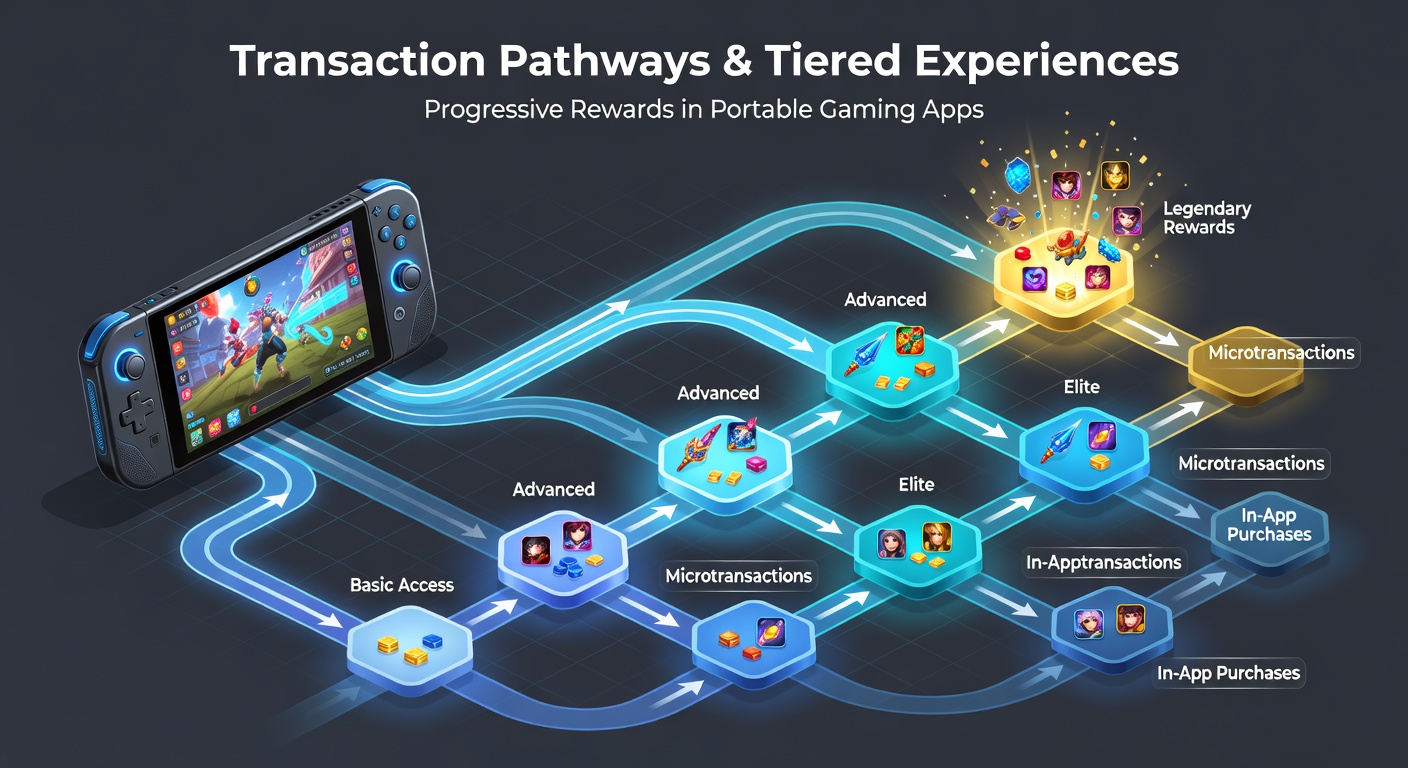
Portable gaming applications rely on transaction pathways that determine how players gain entry to progressive rewards and tiered experiences, with payment methods such as digital wallets, bank transfers, and card networks directly influencing eligibility criteria and progression speed. Data from industry reports indicate that seamless pathways often accelerate access to loyalty structures while slower or restricted routes create barriers at various levels.
Payment Methods and Their Direct Influence on Reward Structures
Transaction pathways begin at the deposit stage, where choices between instant options like e-wallets and traditional bank links set the foundation for reward accumulation in mobile platforms. Studies from research institutions show that applications track these pathways through metadata on speed, verification status, and frequency, which then feed into algorithms governing bonus unlocks and tier advancements. Those who use verified instant methods frequently encounter fewer delays in reward crediting compared to users relying on multi-step bank processes.
Progressive rewards build through consistent transaction activity, yet the pathway itself dictates initial qualification thresholds. For instance, certain applications require a minimum number of verified deposits within specific timeframes before progressive jackpot pools or multiplier bonuses activate, and data indicates that e-wallet pathways meet these thresholds faster due to reduced processing layers. Researchers at academic centers have documented how these mechanics create distinct user cohorts based solely on the transaction route selected during onboarding.
Tiered Experiences Shaped by Transaction History
Tiered experiences in portable gaming applications escalate through levels that grant enhanced features such as exclusive events, customized interfaces, and accelerated point systems, all calibrated against transaction volume and pathway reliability. Figures from gaming associations reveal that players maintaining steady pathways via integrated payment solutions reach higher tiers within shorter periods, whereas fragmented routes involving multiple intermediaries often stall progression at mid-levels. Observers note that this stratification emerges naturally from backend systems that log every transaction detail for compliance and personalization purposes.
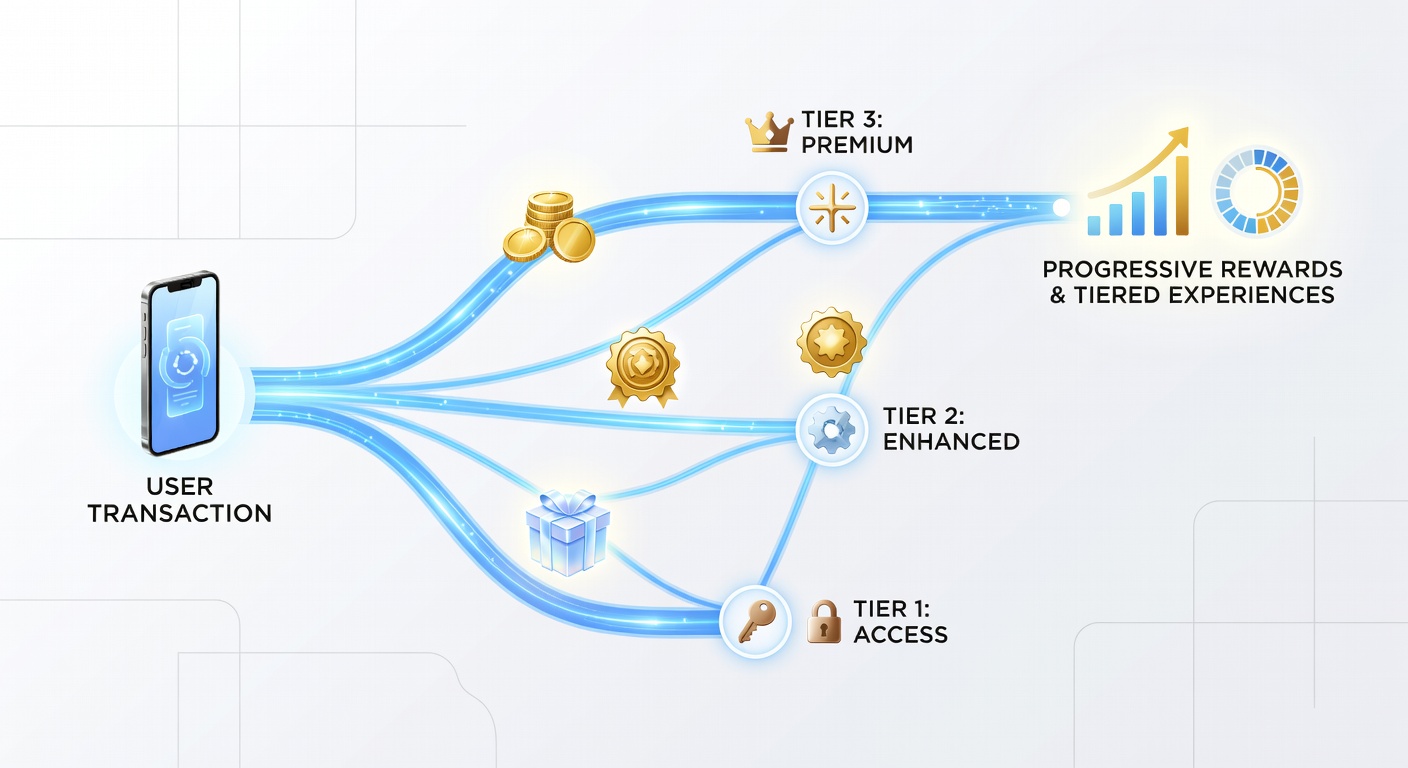
One case documented by industry analysts involved a mobile platform where users routing transactions through regional digital currencies advanced to elite tiers three times quicker than those using standard card networks, primarily because the pathway enabled real-time verification and lower friction. This pattern repeats across applications because tier algorithms prioritize pathway efficiency as a proxy for player engagement stability. Data shows that by May 2026, several platforms plan to refine these systems further with enhanced API connections that reduce verification times for approved pathways.
Global Patterns in Transaction Pathway Integration
Across regions, regulatory frameworks from bodies such as the National Council on Problem Gambling in the United States and equivalent organizations in Australia emphasize secure transaction logging to support fair reward distribution. These guidelines encourage applications to maintain transparent records that link pathway data directly to reward access, ensuring that tiered benefits reflect actual activity rather than arbitrary factors. Reports from trade groups highlight how this approach has standardized practices in portable gaming, reducing discrepancies between different payment routes.
What's interesting is the way emerging technologies like blockchain-based pathways begin to intersect with traditional systems, offering new routes that bypass some legacy verification steps. Academic papers from European universities detail experiments where such integrations led to broader access to progressive features for users in markets with limited banking infrastructure. Yet applications still enforce regional compliance layers that can alter how quickly any given pathway translates into tier benefits.
Technical Mechanics Behind Pathway-Driven Access
Backend systems in these applications employ decision trees that evaluate transaction metadata at each step, determining whether a deposit qualifies for immediate reward layering or requires additional confirmation. Evidence from sector analyses indicates that pathways with built-in fraud detection and instant settlement score higher in these evaluations, unlocking progressive elements like streak bonuses or loyalty multipliers ahead of slower alternatives. Players who switch pathways mid-session often face resets in progress tracking because the system treats the change as a new activity stream.
Integration with third-party processors further refines this process, as applications pull data on authorization rates and reversal histories to adjust tier eligibility dynamically. One study released in early 2026 projected that optimized pathways could increase average user retention in tiered programs by measurable margins across multiple platforms, based on aggregated transaction logs from various regions.
Conclusion
Transaction pathways ultimately function as gatekeepers that calibrate access to progressive rewards and tiered experiences within portable gaming applications, with each route carrying distinct implications for speed and eligibility. Patterns observed through regulatory reports and research data demonstrate consistent correlations between pathway characteristics and reward outcomes, shaping user progression across diverse markets. As platforms evolve their technical integrations by May 2026 and beyond, these connections between payments and experiences will continue to define participation structures in measurable ways.