Payment Pathways That Tie Reward Levels to Live Dealer Sessions on Licensed Mobile Platforms
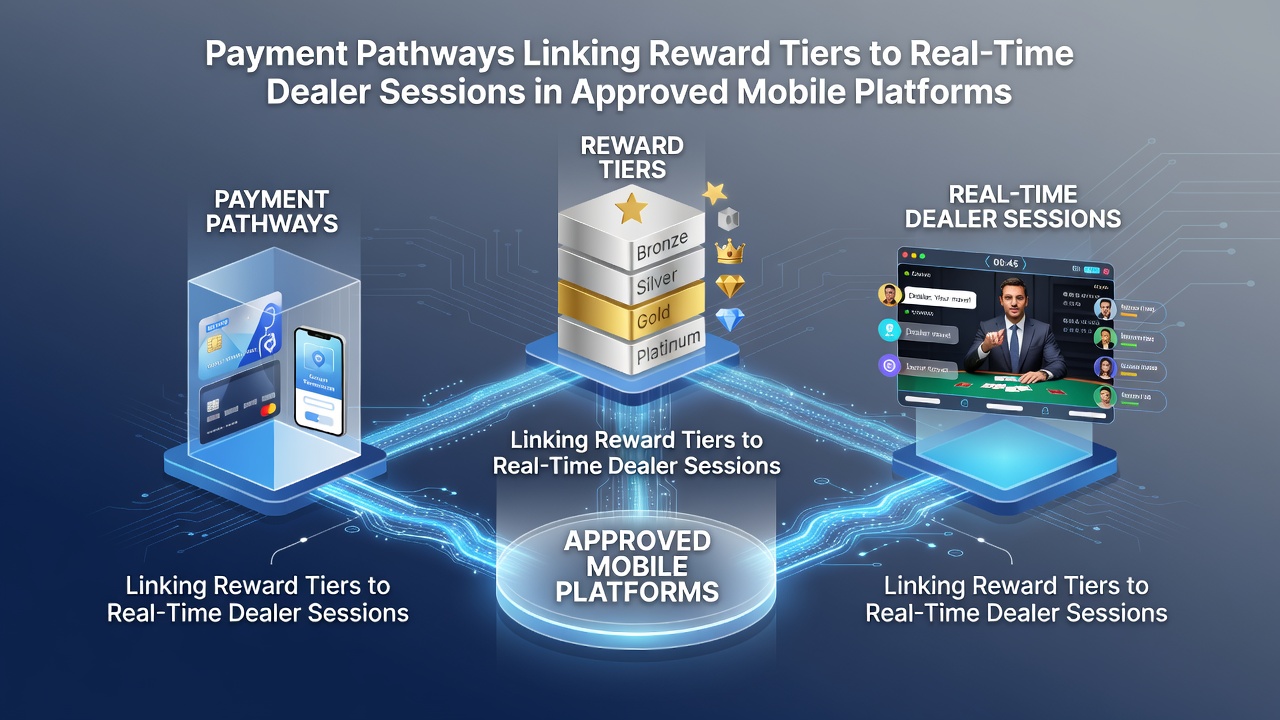
Payment pathways in approved mobile platforms create direct connections between user transactions and access to live dealer sessions while automatically advancing players through reward tiers based on activity levels. These systems operate through secure APIs that process deposits and withdrawals in real time, triggering tier upgrades when spending thresholds are met. Data from industry reports shows that integrated payment and loyalty mechanisms have expanded across regulated markets since early 2025, with particular growth noted in June 2026 as operators updated their mobile applications to meet new compliance standards.
Core Mechanics of Payment Integration
Approved mobile platforms use encrypted transaction channels that link directly to backend servers managing both financial processing and player accounts. When a deposit occurs through methods such as digital wallets or bank transfers, the system records the amount and immediately calculates progress toward the next reward tier. This process eliminates manual intervention, allowing real-time updates that reflect current session activity. Observers note that platforms approved by bodies like the Malta Gaming Authority maintain these connections under strict audit requirements, ensuring every transaction aligns with tier advancement rules.
Live dealer sessions become accessible once specific payment milestones are reached, such as completing a deposit that qualifies for silver or gold status. The pathway functions through conditional access protocols where the payment confirmation serves as the key to unlock tables with higher stakes or exclusive dealer options. Research from the European Gaming and Betting Association indicates that such linkages have increased session durations by aligning financial incentives with gameplay features.
Reward Tier Progression Through Transactions
Tier systems in these platforms categorize users according to cumulative payment volumes over defined periods, with each level granting enhanced benefits during live dealer interactions. Bronze tiers typically allow standard table access while platinum or diamond levels unlock priority seating in real-time sessions along with personalized dealer preferences. Payment data flows continuously into loyalty algorithms that adjust status without requiring separate applications or forms.
Those who have examined platform architectures find that tier upgrades happen within seconds of transaction clearance, which then modifies the interface to display new reward indicators alongside active dealer streams. This seamless connection supports sustained engagement because players see immediate returns on deposits through expanded session choices. Figures from regulatory filings in multiple jurisdictions reveal steady adoption of these automated pathways across approved operators.
Real-Time Dealer Session Access Controls
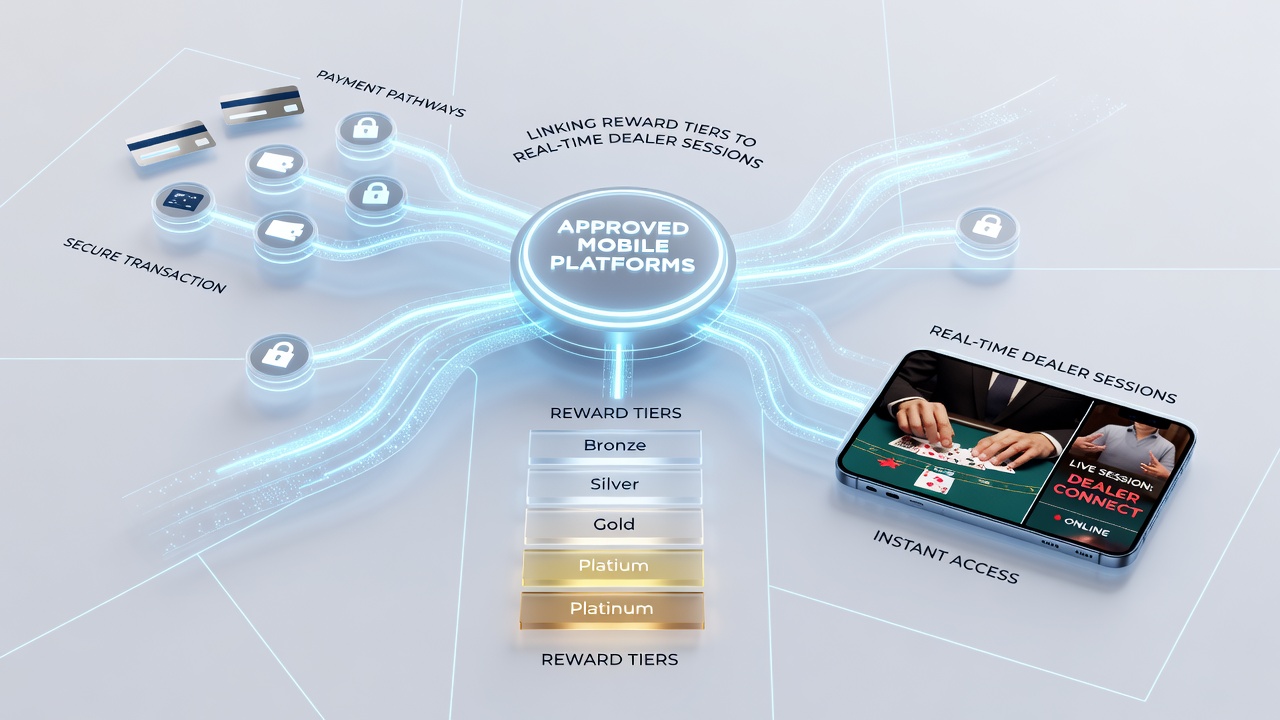
Real-time dealer sessions rely on the same payment infrastructure that manages rewards, creating a unified environment where financial activity directly influences table availability. Once a qualifying transaction processes, the mobile platform grants entry to dealer tables that match the user's current tier, often featuring enhanced interaction tools or lower house edges. This linkage operates through session tokens generated at the moment of payment, which remain valid for the duration of the active connection.
Platforms approved in regions following standards similar to those set by Nevada's gaming authorities have implemented additional verification layers that cross-check payment history against session requests. The result is a controlled experience where only users who maintain consistent transaction patterns retain access to premium dealer environments. Data shows these controls have reduced unauthorized entry attempts while preserving the flow of legitimate gameplay.
Security and Compliance in Mobile Environments
Security protocols within these pathways incorporate multi-factor authentication tied to each payment event, which then propagates to the reward and session management layers. Approved mobile applications encrypt all data exchanges between the payment gateway, loyalty database, and dealer servers to prevent interception or manipulation. Compliance teams review these connections regularly to confirm adherence to regional licensing conditions that evolved notably by June 2026.
Operators integrate monitoring tools that flag unusual transaction patterns before they affect tier status or session access, maintaining system integrity across high-volume periods. This approach ensures that reward advancements remain accurate reflections of verified activity rather than isolated events.
Future Developments in Pathway Architecture
Updates scheduled for late 2026 focus on expanding API compatibility with emerging payment technologies while preserving the core linkage between transactions, tiers, and live sessions. Developers continue refining algorithms that predict tier eligibility based on projected payment flows, allowing platforms to offer advance previews of unlocked dealer content. Such enhancements build on existing frameworks already deployed in approved environments worldwide.
Conclusion
Payment pathways that connect reward tiers to real-time dealer sessions form a foundational element of approved mobile platforms, relying on automated transaction processing to deliver tiered access without disruption. These systems have demonstrated consistent performance under regulatory oversight, supporting both financial operations and interactive gameplay features across diverse markets. Continued refinements ensure the pathways remain secure and responsive to evolving platform requirements.