Squeezed Tables, Exploding Slots: Licensing's Role in Reshaping Britain's Casino Landscape
Squeezed Tables, Exploding Slots: Licensing's Role in Reshaping Britain's Casino Landscape
Unpacking the Licensing Framework
Operators in Britain's casino sector navigate a web of licensing rules that clamp down hardest on table games like blackjack, roulette, and baccarat, while slots enjoy a lighter touch and rocket ahead in popularity; this dynamic, shaped by decades of regulatory evolution, dictates everything from venue layouts to revenue streams. Data from industry trackers reveals how these rules, enforced through rigorous personal and operational licenses, demand extensive staff training, anti-money laundering checks, and stake monitoring specifically for live tables, pushing costs higher and reshaping floor plans across land-based sites.
Take the standard operating license requirements: venues must install surveillance systems tailored to table pits, train croupiers in responsible gambling protocols, and log every high-stakes session, whereas slots trigger fewer such mandates since they operate on automated RNG systems approved upfront. Observers note this split emerged clearly after the Gambling Act 2005 standardized oversight, creating a tiered system where table games bear the brunt because of their direct player interaction and potential for rapid losses.
And yet, slots slip through with streamlined approvals; a single machine license covers broad deployment, allowing operators to flood floors with electronic reels that hum 24/7 without the same human oversight. What's interesting here is how this setup, while safeguarding players at tables, inadvertently funnels investment toward slots, turning them into cash cows amid rising compliance burdens elsewhere.
Table Games Feel the Squeeze
Live table games, once the heartbeat of British casinos, now operate under tighter licensing leashes that demand personal management licenses for every pit boss, detailed session reporting to curb problem play, and even limits on maximum stakes during peak hours in some venues; these measures, rolled out progressively since 2015, have led operators to shrink table counts by up to 20% in major hubs like London and Manchester, according to venue disclosure reports. Researchers who've analyzed floor space allocations point out that converting table pits to slot zones cuts overheads dramatically, since one dealer license costs thousands annually while slots run unattended.
But here's the thing: high rollers still flock to velvet-rope tables for the social buzz, yet stricter checks—like mandatory ID verification and spend caps tied to affordability assessments—slow the action, deterring casual punters who once filled seats. One case from a Midlands casino showed tables dropping from 15 to eight after a licensing audit flagged incomplete training logs, prompting a swift pivot to slots that boosted footfall without extra staff hires.
Figures from the sector's annual audits confirm this trend; table game gross gaming revenue (GGR) dipped 12% between 2020 and 2024, squeezed by compliance fees averaging £50,000 per venue yearly, while operators grumble privately about the paperwork avalanche that ties up execs for weeks. It's not rocket science—licensing's grip turns tables into luxury niches, reserved for verified whales who clear the hurdles.

Slots Ride the Wave of Regulatory Favor
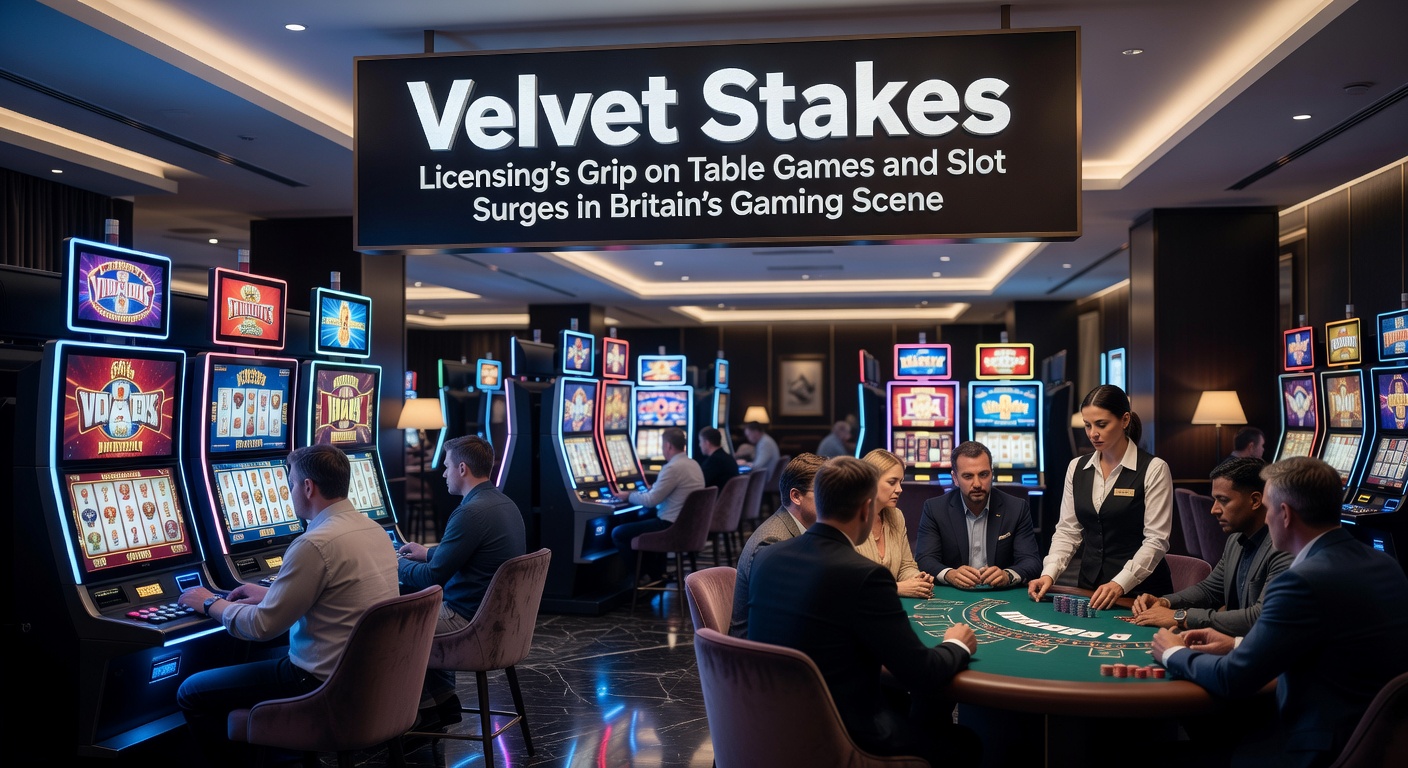
Slot machines, by contrast, surge forward under licensing that prioritizes machine certification over constant monitoring; operators secure category C or B3/B4 approvals en masse, deploying hundreds per floor with minimal per-unit tweaks, and data indicates this ease propelled slots to claim 65% of land-based casino GGR by 2024, up from 45% a decade prior. Turns out, automated play bypasses the dealer dilemmas, letting venues stack banks of linked progressives that draw crowds with flashing jackpots and bonus rounds, all compliant via initial UKAS-accredited testing.
Experts tracking player migration observe how slots lure table defectors with faster paces—no waiting for shoe shuffles or bet resolutions—and themes from ancient Egypt to fruity classics that hook demographics ignored by formal tables. A study by the European Gaming and Betting Association highlights similar patterns across the continent, where lighter slot regs correlate with 30% revenue jumps post-pandemic, mirroring Britain's boom as venues like those in Blackpool and Birmingham expand reel estates.
Now, progressive jackpots add fuel; networks linking slots across sites swell pots to seven figures without table-style stake caps, pulling in remote punters via apps tied to physical machines. People who've walked these floors describe the shift vividly—dimly lit table pits give way to neon slot seas, where licensing lets operators iterate quickly on hit titles like Book of Dead variants or Megaways engines.
Crunching the Numbers: Revenue Realities
Hard data paints a stark picture: Britain's 140-plus land-based casinos generated £1.2 billion in GGR last year, with slots accounting for £780 million versus tables' £420 million, a reversal from 2010 when tables led by 15 points; these shifts, documented in operator filings, stem directly from licensing economics, as slot maintenance runs 40% cheaper per unit while yielding higher volume spins. And while tables cling to premium pricing—average bets hovering at £25 versus slots' £1—player hours tilt heavily toward reels, with sessions stretching 45% longer per Nevada Gaming Control Board comparative analyses adapted to UK trends.
So, regional breakdowns reveal hotspots: Scotland's venues saw slot GGR climb 28% amid table contractions, driven by tourist traffic favoring quick-play machines; England’s southeast hubs, packed with high-street casinos, mirror this with slots overtaking by 70-30 margins. Observers crunching these stats note how licensing renewals, due every five years, force efficiency audits that favor scalable slots over labor-intensive tables.
What's significant is the online spillover; hybrid models license slots for seamless desktop-to-floor transitions, surging digital slot play by 22% quarterly as players chase the same thrills without venue treks.
Glimpsing April 2026 and Beyond
Looking ahead, reforms slated for April 2026 promise to tweak this balance without upending it; enhanced demographic data requirements will nudge table licensing toward digital verification tools, potentially easing some burdens, while slots face scrutiny on bonus frequency to temper surges. Industry forecasts suggest slots will hit 70% GGR share by then, as operators invest in skill-based hybrids that skirt traditional regs.
Yet, table loyalists hold ground through premium experiences—private salons with bespoke licensing exemptions for ultra-VIPs—ensuring velvet stakes endure in niches. Those studying the horizon predict a hybrid floor dominance, where licensing evolves to blend oversight with innovation, keeping Britain's scene vibrant amid global shifts.
Conclusion
The interplay of licensing's firm hold on tables and slots' buoyant rise defines Britain's gaming evolution, channeling billions through efficient reels while preserving live game prestige; data underscores this pivot, with operators adapting shrewdly to rules that prioritize safety without stifling growth. As 2026 approaches, the landscape promises refined regs that could unlock fresh dynamics, yet the core truth remains—slots surge where tables tread carefully, shaping a casino world that's equal parts velvet restraint and electric expansion.