The Mechanics of Deposit-Linked Reward Tiers on Officially Licensed Online Platforms
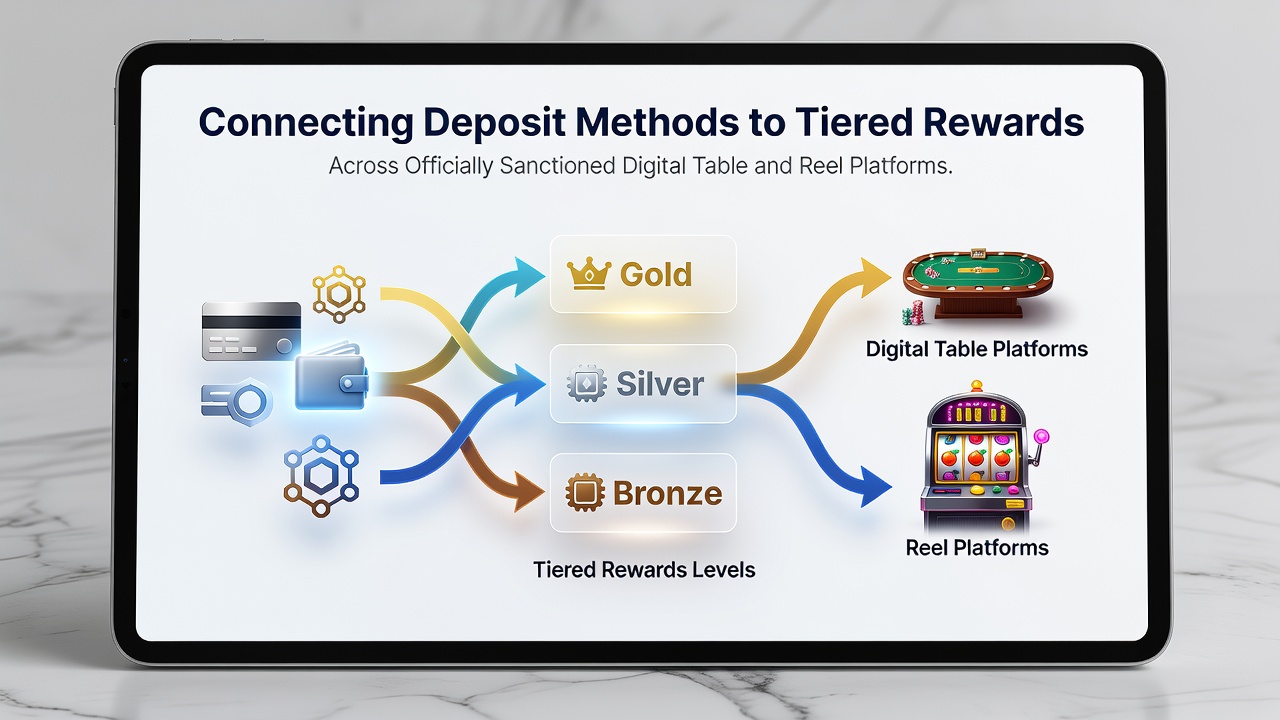
Payment options play a central role in how players access escalating benefits on regulated digital table and reel platforms, and operators structure these systems to align deposit activity with loyalty progression. Financial institutions, e-wallets, and bank transfers each carry distinct processing characteristics that influence reward accumulation rates, and platforms track these patterns to assign tier status. Research from the American Gaming Association indicates that players using instant funding methods often reach intermediate loyalty levels faster than those relying on traditional bank wires, since transaction speed affects the frequency of qualifying deposits within a given period.
Deposit Categories and Their Platform Integration
Officially sanctioned environments categorize deposits into groups such as credit and debit cards, digital wallets, prepaid vouchers, and direct bank connections, and each category triggers specific verification protocols that determine how quickly funds become available for play. Credit card transactions typically clear within seconds on most licensed systems, which allows players to initiate gaming sessions and accumulate points toward tier advancement without delay, whereas bank transfers may require one to three business days for settlement. Digital wallets like those offered by established providers bridge this gap by combining rapid authorization with built-in security layers, and data shows these methods correlate with higher retention in mid-tier loyalty brackets during July 2026 reporting cycles.
Platform algorithms monitor deposit volume, frequency, and method type to calculate eligibility for tier upgrades, and operators publish clear matrices that outline the contribution percentages each payment channel receives toward reward thresholds. For instance, certain e-wallet deposits receive full credit toward monthly activity requirements, while prepaid options sometimes carry reduced weighting that slows progression to higher tiers. Those who have examined these systems note that players often adjust their preferred deposit method once they understand how weighting affects long-term reward potential.
Tier Structures and Reward Activation
Loyalty programs on licensed platforms divide participants into progressive levels that unlock differentiated benefits, including enhanced cashback percentages, exclusive table game access, and accelerated free spin allocations on reel titles. Entry-level tiers usually activate after a modest deposit threshold is met, while premium tiers demand sustained activity across multiple weeks or months and often incorporate minimum average deposit values. Observers note that the connection between deposit method and tier status becomes most visible when players compare reward delivery timelines, since faster funding methods enable more consistent activity streaks that satisfy tier maintenance criteria.
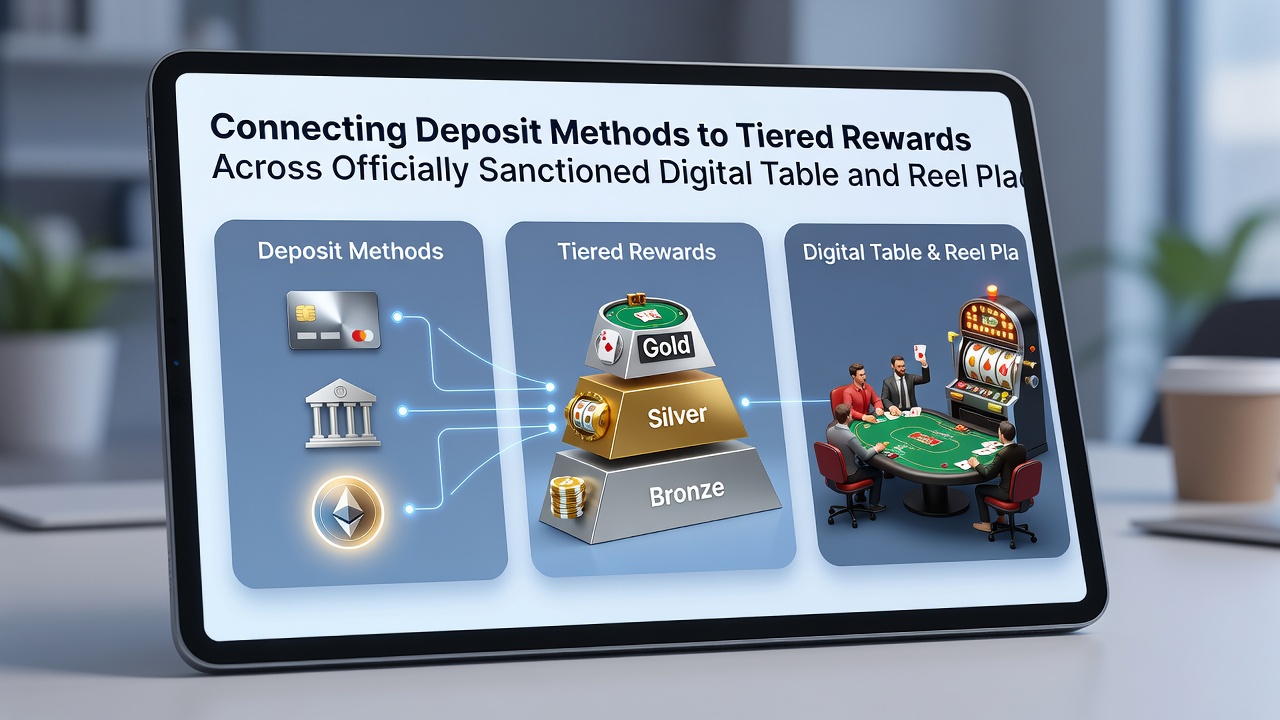
Table game sections and reel environments apply the same tier framework, yet the rate of point accrual can differ based on game type and stake level, and deposit method continues to influence overall progression because it determines how readily players can fund additional sessions. A study released by researchers at the University of Sydney found that participants using integrated wallet solutions advanced through loyalty stages at rates approximately 15 percent higher than those limited to slower settlement options, primarily because uninterrupted play sessions compound reward multipliers more effectively.
Operational Patterns Observed Across Platforms
Regulated operators implement real-time dashboards that display current tier status alongside projected timelines for the next upgrade, and these interfaces factor in deposit method efficiency when generating forecasts. Players who combine multiple approved methods within a single billing cycle sometimes achieve tier milestones earlier, since diversified transaction histories can satisfy volume requirements while maintaining compliance with responsible gaming limits. Figures from industry monitoring services reveal that July 2026 saw increased adoption of instant bank payment rails across licensed markets, coinciding with adjustments to reward weighting that favored these channels.
Security protocols tied to each deposit method also affect reward eligibility, and platforms require additional verification steps for larger transfers that can temporarily pause point accumulation until clearance occurs. Those managing loyalty programs report that transparent communication about these pauses helps players select deposit routes that minimize disruption to tier progression. The reality is that method choice becomes a strategic consideration once players move beyond casual participation and begin targeting specific reward brackets.
Conclusion
Deposit method selection directly shapes how quickly and consistently players navigate tiered reward systems on sanctioned digital platforms, and the interplay between transaction speed, weighting rules, and activity tracking creates measurable differences in outcomes. Licensed operators continue to refine these connections through updated matrices and verification standards, while external research provides ongoing insight into participation patterns. As platforms expand payment options in line with regulatory expectations, the linkage between funding choices and loyalty benefits remains a core operational feature across both table and reel environments.