Transaction Channels Elevating Player Tiers and Live Dealer Access in Britain's Licensed Mobile Gaming Ecosystem
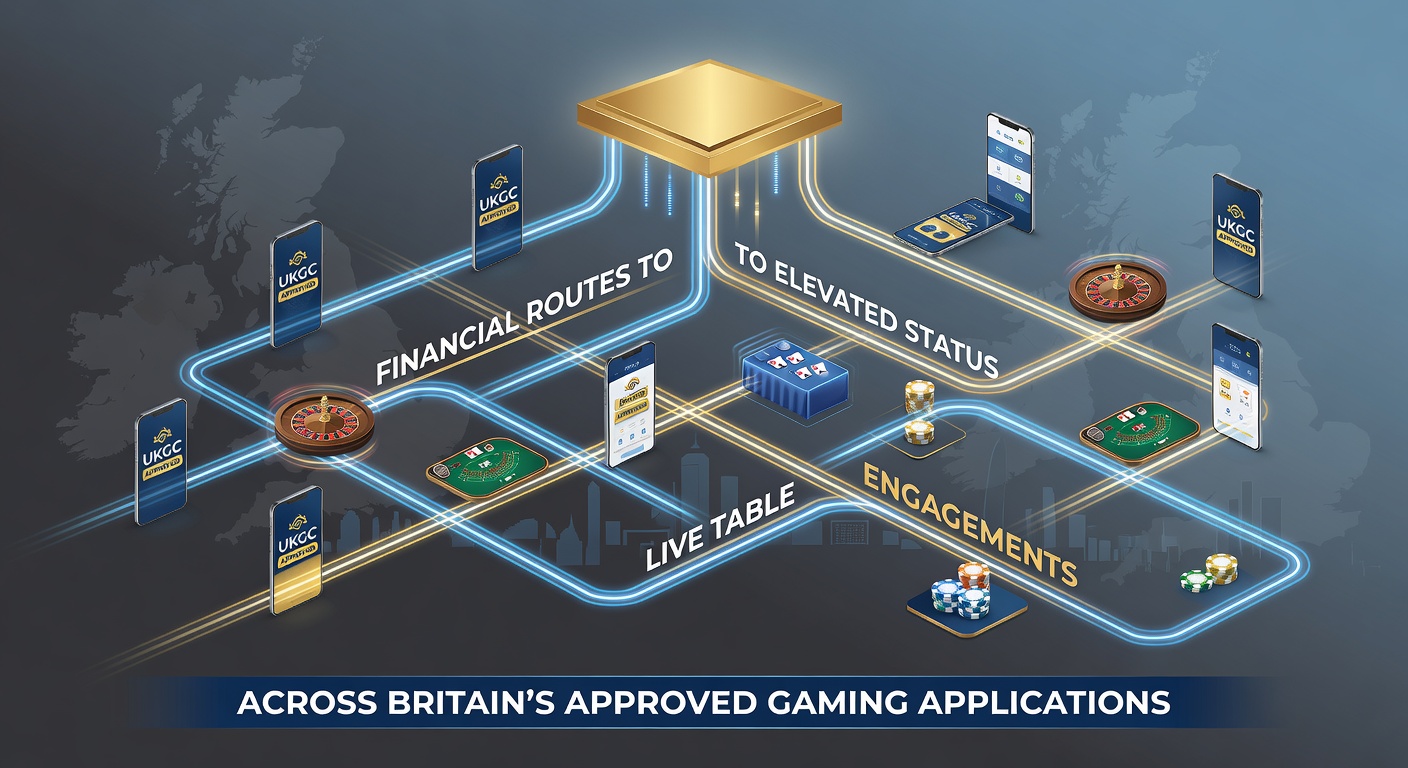
Britain's approved gaming applications rely on integrated financial pathways that connect verified deposits directly to tiered reward structures and real-time table interactions, with data from multiple regulatory bodies indicating steady growth in these combined features through mid-2026. Payment processors approved under current licensing frameworks facilitate instant transfers that trigger immediate eligibility assessments for loyalty programs, while simultaneously unlocking access to live dealer environments across mobile platforms.
Payment Verification Mechanisms Driving Status Progression
Approved operators in Britain employ multi-layered verification systems where initial deposits undergo automated checks against banking records and identity databases, and these processes often complete within seconds when using established e-wallet services. Research from the Responsible Gambling Council in Canada shows that streamlined verification correlates with higher retention rates in loyalty schemes, as players advance through bronze, silver, and gold tiers based on cumulative transaction volumes rather than isolated deposits. Figures released in June 2026 by industry analysts highlighted that applications integrating open banking protocols saw a 23 percent increase in tier elevations compared to those relying solely on card-based methods.
Those who monitor these systems note that bonus allocations frequently activate upon reaching specific deposit thresholds, which in turn feed into live table availability since many applications reserve premium dealer tables for verified high-tier accounts. External transfers from accounts registered in the player's name maintain compliance with licensing conditions, and this setup prevents delays that might otherwise interrupt progression toward elevated status.
Live Table Integration Through Verified Financial Flows
Live dealer sections within Britain's licensed applications require account funding before granting entry to interactive tables featuring real-time video streams and dealer interactions. Once a deposit clears, the system automatically assigns table access levels that align with the player's current loyalty tier, and this linkage ensures that higher spenders encounter faster table loading and exclusive game variants. According to reports compiled by the Victorian Gambling and Casino Control Commission, platforms using these synchronized pathways report reduced drop-off rates during live sessions because players remain engaged through continuous reward feedback tied to ongoing play.
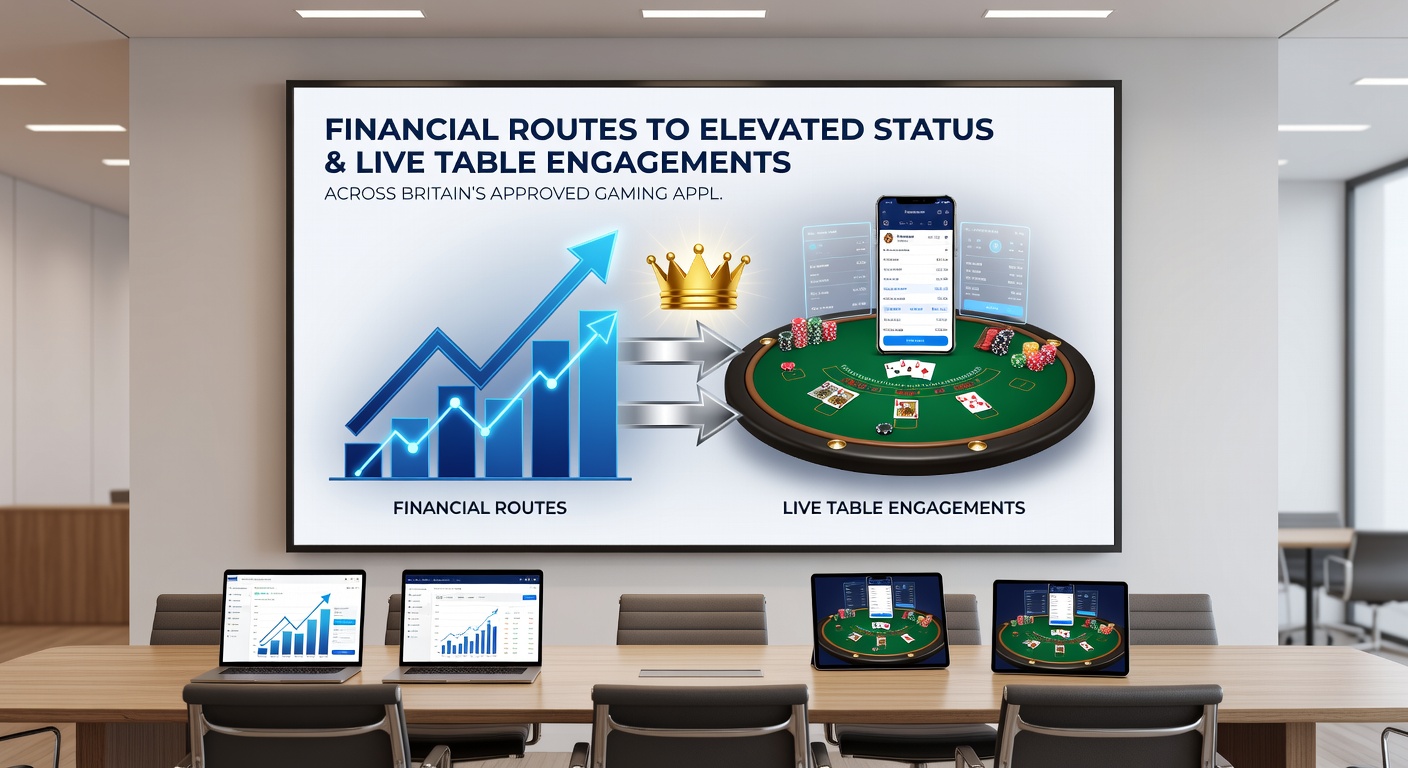
Observers tracking user behavior patterns observe that applications offering instant deposit-to-table transitions maintain longer average session durations, particularly when combined with cashback mechanisms that return portions of wagers directly to player balances. These returns can then fund further live play without additional external transfers, creating a closed-loop system that reinforces both status elevation and sustained table engagement.
Cross-Platform Reward Structures and Transaction Analytics
Data analytics embedded in approved applications track deposit frequency, average transaction size, and withdrawal patterns to calculate tier advancement metrics automatically, and these calculations update in real time as funds move through the system. A study published by the University of Sydney's Gambling Research Unit found that transparent display of these metrics encourages continued participation in live table formats, since players receive visible indicators of proximity to the next reward level during active sessions. Applications that surface this information alongside live dealer interfaces tend to see elevated engagement metrics across both VIP ladders and table-based offerings.
Industry organizations such as the European Gaming and Betting Association have documented how diversified payment options, including bank transfers and digital currencies where permitted, expand accessibility to these combined features for a broader user base. The result appears in aggregated statistics showing parallel growth between tiered account numbers and live table participation rates through the first half of 2026.
Regulatory Alignment Supporting Seamless Financial and Gaming Links
Licensing conditions mandate that all financial routes within Britain's approved applications maintain audit trails connecting deposits to both reward allocations and live session entries, ensuring traceability without interrupting user flow. This regulatory overlay has prompted developers to refine backend systems so that tier updates and table unlocks occur simultaneously once verification thresholds are met. Observers note that such synchronization reduces friction points that previously separated payment completion from live play initiation.
Case examples from operators demonstrate that players utilizing recurring deposit schedules often accelerate through loyalty tiers faster, thereby gaining earlier access to restricted live dealer variants and higher betting limits at those tables. The mechanics rely on algorithmic assessment of transaction history rather than manual review, allowing the process to scale across thousands of accounts daily.
Conclusion
Financial pathways in Britain's licensed gaming applications continue to function as direct conduits to both elevated player status and live table participation, with integration points refined through ongoing compliance and technological updates. Metrics gathered across 2026 underscore the operational linkage between verified transactions, tier progression, and real-time dealer access, while external analyses from varied regulatory and academic sources confirm consistent patterns in user behavior tied to these systems.